Stranger Than Heaven Blends Deep Historical Research with Creative Freedom
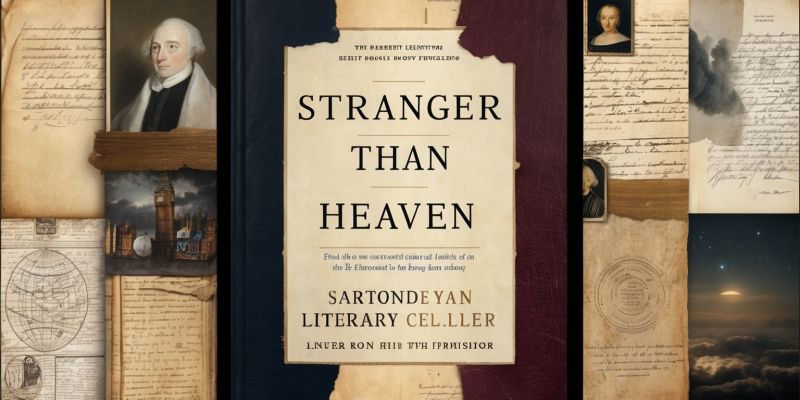
Historical accuracy was not the main aim from the start, says Stranger Than Heaven’s director, even though the team put in extensive research for the game’s sweeping, period-hopping structure and still plans to leave plenty of imaginative detail in the cities.
During an early development conversation about the project, Abe explained that telling a story set across 50 years and five Japanese cities meant deep investigation. The work, he said, was difficult in itself, and the studio visited the real locations shown in the game as well as libraries to gather reference material.
No one can know exactly what 1915 Kokura or 1929 Kure looked and felt like, Abe said, so the team studied a wide range of sources. They examined old photographs, spent time in museums, purchased books and magazines from those years, and read each one carefully. At one point, he added, insects even emerged from some of the old materials, making things less than ideal in the office.
Even so, Abe emphasized that the goal was never strict historical precision. Instead, the developers used their research as inspiration while allowing themselves creative freedom to shape the cities around the kind Here are a few unique rewrites that keep the same meaning and fit naturally into a sentence: - **the kind of experience they want players to have** - **the experience they want players to enjoy** - **the type of experience they want players to have** - **the experience they intend players to get** If you want, I can also make it sound more formal, casual, or more natural in context.
He said the team wanted the settings to reflect the mood of the era rather than serve as exact recreations. That means the cities will include a strong fictional layer, while still aiming to evoke how those places might have looked, sounded, and felt at the time.
Research went beyond history alone. Abe and art director Daishi Kanaya also looked into paintings, old lenses, and films from those decades, drawing ideas from tools and materials used by artists of the period.
They used those influences to rethink how modern creators might work with similar equipment, shaping the game’s distinct visual atmosphere. That approach helped form the older color palette, the tone, and the overall feel of the world.
Abe noted that 1915 Kokura was probably smaller and less crowded than the game may suggest, but the team still wanted to capture its spirit and make it feel alive and engaging for players.
Sure — here’s a fully reworded version that keeps the same meaning: **Stranger Than Heaven is scheduled to release on January 15, 2027, for PS5 and Xbox Series X.** If you want, I can also give you **3–5 alternative phrasings** with different tones (news-style, casual, professional, etc.) and S, and PC.
- The game spans 50 years across five Japanese cities.
- The team visited real locations and consulted archives and museums.
- Creative freedom remains central, with fictional elements throughout the settings.
- Visual inspiration also came from period art, film, and vintage tools.
Most Popular
-
![]() Top Apps Lychee Dragon Cookie Build Guide: Skills, Toppings, and Arena Power Here are a few unique rewrites that keep the same context:
- **Lychee Dragon Cookie makes its debut... Read more
-
![]() News Nacon Unveils Hell Is Us-Themed Revolution Pro X Special Edition Xbox Controller Nacon has unveiled the Revolution Pro X – Special Edition, a fresh Hell Is Us-themed Xbox controller... Read more
-
![]() Top Apps Valor Mortis: A Dance of Blade, Bullet, and Acrobatic Rebirth Valor Mortis immediately captivates with a mysterious blend of classic Soulslike mechanics and unexp... Read more