Amiibo in Ocarina of Time: Small Rewards, Big Convenience
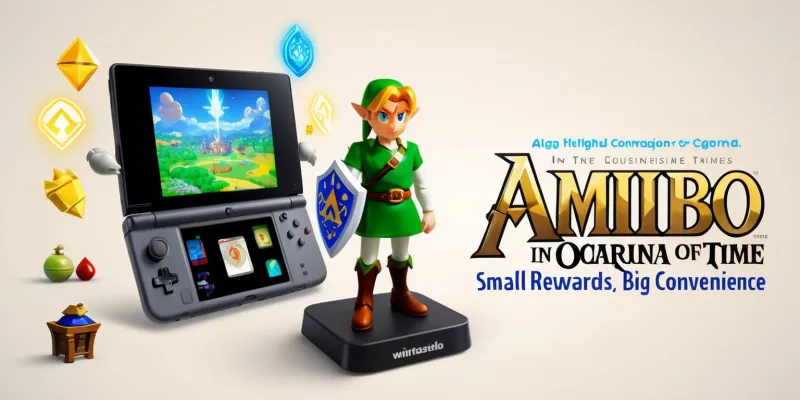
Using Amiibo in Zelda: Ocarina of Time adds a small but satisfying layer of convenience to an already memorable adventure. The feature is designed for players who enjoy collecting figures and like the idea of receiving extra supplies with almost no effort. Instead of changing the core journey, it works quietly in the background, offering minor boosts that can make exploration feel a little smoother. For fans returning to Hyrule, the system is focused less on big twists and more on repeatable support. It fits naturally into the rhythm of the game, giving you occasional bonuses while you continue moving through dungeons, fields, and side quests.
What makes this feature interesting is the way it blends a modern collectible system with a classic adventure. Ocarina of Time is already known for its sense of discovery, and Amiibo rewards add another small reason to pause and interact with the world in new ways. The items you receive are not game-changing, but they can still be helpful when progress slows or supplies run low. Since the rewards are simple and randomized, the system feels light, easy to understand, and useful without demanding much attention from the player.
Scanning Figures Into Hyrule
Using Amiibo in Zelda: Ocarina of Time is straightforward and does not require complex setup. Once the feature is available, you simply scan a compatible figure and wait for the reward to appear in the game. The process is designed for convenience, so it does not interrupt the pace of play for long. Players can use each Amiibo once per day, which adds a small amount of structure without making the system feel restrictive. That daily limit encourages occasional use rather than constant repetition, keeping the feature balanced within the broader adventure.
The simple scan-and-receive format is one of the main reasons the system feels approachable. There are no hidden menus to learn and no complicated conditions to meet. If you already own compatible figures, the extra items are easy to access. This makes Amiibo feel like a quick companion feature rather than a major mechanic. It is particularly helpful for players who enjoy practical extras but do not want to spend much time managing them. The result is a system that works cleanly alongside the game’s traditional structure.
The Range Of Compatible Figures

Many Legend of Zelda Amiibo figures can be used with the Ocarina of Time remake, and that includes figures from outside the original Zelda line as well. Some crossover figures from other Nintendo series, such as Smash versions, are compatible too. For collectors, this broad support is a notable advantage because it means a larger portion of an existing Amiibo collection can be put to use. Instead of limiting rewards to a narrow selection, the game opens the feature to a wide group of related figures.
Even so, compatibility does not mean each figure creates a unique reward path. Most figures function in the same general way, providing useful items rather than character-specific bonuses. That approach keeps the feature consistent and easy to predict. Players who enjoy the collectible aspect can scan different figures for variety, while those who only care about utility can use whichever eligible Amiibo they already own. The system feels inclusive, practical, and well-suited to a game that values exploration over complicated unlock trees.
Rewards That Support Exploration
The items gained from Amiibo are meant to help your journey without changing the overall structure of the adventure. Typical rewards include things already unlocked during play, such as Deku Seeds and Deku Nuts, together with Recovery Hearts and Business Scrub Seeds. These are all small but useful supplies that fit naturally into the game’s existing item economy. They can support a player who needs a few extra resources before heading into a tougher area or while navigating more demanding encounters.
The reward pool is intentionally modest, which gives the feature a practical tone. Instead of offering rare or oversized bonuses, Amiibo provides everyday tools that match the game’s style. That makes each scan feel like a little refill rather than a dramatic event. For players who enjoy steady progress, this can be valuable because it reduces the need to stop and gather a few missing items manually. The system works best as a quiet helper, giving you what you might already be working toward through normal play.
Randomized Results And Their Effect
One of the defining traits of the Amiibo system in Ocarina of Time is that the rewards are randomized. The figure you scan does not usually determine the exact item you receive. Instead, the game selects from a general pool of useful supplies. This creates a sense of light unpredictability without introducing frustration. You know the rewards will be practical, but you do not always know which specific item will appear. That keeps the feature from feeling too mechanical or locked to a fixed pattern.
This design also means the system has a gentle sense of surprise. Even though the prizes are not rare, there is still a small moment of anticipation each time you scan a figure. For some players, that randomness adds freshness to an otherwise simple routine. For others, it is useful because it turns a collectible figure into a flexible support tool. The game does not ask you to chase exact outcomes, which helps preserve the relaxed, easygoing nature of the feature.
Daily Limits And Player Rhythm
The once-per-day scan rule shapes how Amiibo fits into the game’s pacing. Rather than allowing endless farming, the feature encourages players to check in periodically and treat the rewards as occasional extras. That makes sense in a game where exploration and progression already take center stage. The daily restriction helps prevent the feature from overshadowing ordinary item collection, while still giving it a useful place in the player’s routine.
Because the reward can only be claimed once per day per figure, the mechanic feels like a bonus habit instead of a loop to exploit. This system works well for players who return to the game regularly and like having a low-effort way to gain useful supplies. It also means the reward cadence stays balanced, which matches the design of a classic adventure game. The feature is small enough to remain optional, but structured enough to feel intentionally integrated into everyday play.
Young Link And Young Zelda Exceptions
Most Amiibo in the game follow the same general reward pattern, but two figures stand apart from the rest. Young Link and Young Zelda, set to release in 2027, are the exceptions tied to unique character-themed rewards. Rather than giving the standard assortment of general items, these figures provide a mask based on each character. That makes them especially notable for fans who enjoy character-specific collectibles and special unlocks tied to the Zelda universe.
These exceptions matter because they give the Amiibo feature a touch of identity beyond its usual utility. While the majority of compatible figures act as simple resource sources, these two upcoming releases point toward a more distinctive reward style. For players who like collecting unique items, this adds an extra layer of anticipation. It also shows how the system can remain practical while still making room for occasional standout bonuses that feel more personal and memorable.
How The Feature Fits The Adventure
Amiibo support works best in Ocarina of Time because it complements the game rather than competing with it. The adventure is built around exploration, puzzle solving, and careful movement through a world full of secrets. The Amiibo feature respects that structure by offering small optional support instead of interrupting the flow with complex systems. It does not alter the game’s identity, but it does give players a mild convenience that can be pleasant during long sessions.
This balance is important because Ocarina of Time has always relied on atmosphere and pacing. A feature that is too intrusive would clash with that design, but a light reward system fits naturally. The items you gain can assist with exploration, combat preparation, or general supply management, which makes them useful in a practical sense. Still, the game never makes them necessary, so the experience remains faithful to the original spirit of adventure and discovery.
Practical Value For Returning Players
For players revisiting the game, Amiibo may be most appreciated as a convenience feature. If you already know the world well, you may not need the rewards often, but having them available can reduce small delays. A few extra hearts or ammo-style items can make certain sections feel slightly easier to manage. That is particularly helpful for players seeking a more seamless experience without changing the core challenge of the game.
The feature also appeals to those who enjoy collecting Nintendo merchandise and want their figures to serve a purpose beyond display. Since many compatible figures work with the game, the reward system gives collectors another reason to keep their Amiibo nearby. The usefulness is modest, but for a classic game with a dedicated fan base, even modest support can be welcome. It gives returning players a subtle way to refresh the experience while keeping the original structure intact.
Lightweight Design And Easy Access
One of the strongest qualities of the Amiibo system is how little effort it requires. You do not have to learn a complex interface or complete special tasks before earning rewards. The system presents itself as a quick, clear, and user-friendly addition. That simplicity plays a significant role in its overall appeal. It lets the player focus on the adventure itself while still benefiting from a small, automatic bonus whenever desired.
That easy access also makes the feature approachable for less experienced users who may not be fully familiar with Amiibo functions in other games. The process is familiar enough to feel intuitive, but not overly intricate so that it takes attention away from the game’s main experience. In practice, the feature acts like a simple exchange: scan a figure, receive an item, continue the journey. The design is clean, dependable, and tailored to players who prefer convenience over complexity.
Visual Style And Collector Appeal
Although the Amiibo mechanic is mostly about function, it also connects to the visual identity of the game in a subtle yet important way. The figures themselves are detailed collectibles, and their presence adds a physical dimension to the digital world of Hyrule. For fans, scanning a favorite character figure into the game creates a satisfying link between shelf display and gameplay reward. That connection gives the feature a sense of personality beyond its practical benefits.
The reward presentation is intentionally understated, which suits the game’s aesthetic. There is no need for flashy spectacle when the focus is on useful items and classic adventure design. Instead, the experience keeps things clean and direct, letting the collectible nature of the figures do much of the visual work. This gives the feature a charming blend of physical fandom and in-game utility, especially for players who appreciate small details that deepen their bond with the series.
Using The Rewards During Play
Once the items appear, they can be folded into regular play in a number of ways. Seeds and nuts may help with immediate needs, while hearts provide small support when you need recovery. These rewards are not built to replace your normal item gathering, but they can ease stress when you find yourself caught in the midst of a longer session or trying to preserve resources. Their value lies in flexibility, which is why the system remains useful even though the items themselves are common.
The ability to incorporate these bonuses without changing your strategy is part of what makes the feature effective. You can use the rewards for comfort, reserve them for later, or simply treat them as a pleasant extra. Since they are drawn from a familiar pool of supplies, they always feel in tune with the world of the game. That makes the Amiibo rewards feel less like outside additions and more like gentle extensions of existing play.
Helpful Pages For More Game Progress
Players interested in extra support beyond Amiibo can also explore broader help resources tied to the game’s many secrets. Heart Piece locations can improve survivability, Gold Skulltula locations can support collectible hunting, and Bottle locations can expand item management options. These kinds of details complement the Amiibo system well, since they all contribute to a smoother journey through Hyrule. The game rewards curiosity, and each helpful location or bonus feature adds another layer to that experience.
When combined with Amiibo rewards, these resources create a fuller picture of how the game supports attentive players. The adventure is still driven by exploration and discovery, but small aids can make the process feel less demanding and more rewarding. Whether you are checking for extra supplies, tracking collectible items, or simply looking for ways to move through the quest with ease, the game offers multiple paths for practical support across its world.
Most Popular
-
![]() News Jack Wall Explains the Synth-Driven Sound Behind Mass Effect’s Iconic Score Jack, the composer behind Mass Effect and Mass Effect 2 Wall has revealed the groundbreaking tools b... Read more
-
![]() News DC’s New Leadership Reportedly Shifts Focus to Batman and Wonder Woman DC’s incoming leader is said to be setting a course around bigger names such as Batman and Wonder Wo... Read more
-
![]() Top Apps Lychee Dragon Cookie Build Guide: Skills, Toppings, and Arena Power Lychee Dragon Cookie makes its debut in Cookie Run Kingdom as a force built for pressure, disruption... Read more