Dynamic Resonance: Crafting a Sonic Battle Between Humanity and the Otherworldly
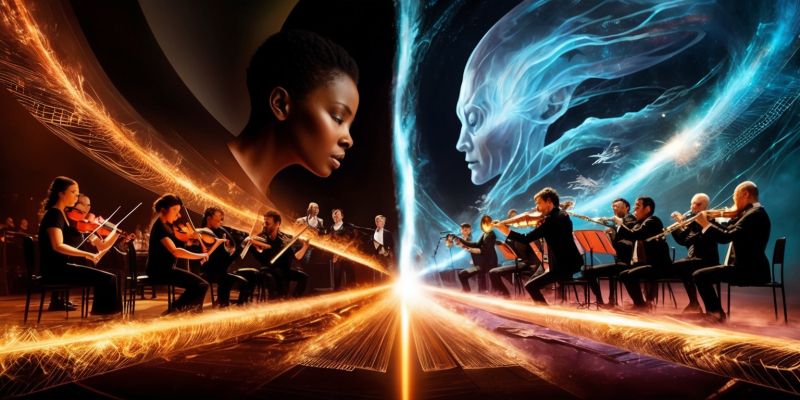
The composer for Control Resonant integrated a complex backstory involving an unexpected hero and his conflicted association with a powerful antagonist into the creation of the soundtrack. His work reflects an intricate balance between the evolving narrative and the ambient settings, merging character journey and environmental impact into a musical canvas that deepens the overall experience.
Petri Alanko, the mind behind the score, explained that the new landscape and the interplay between the main character and his formidable foe played a fundamental role in shaping the music. He emphasized that the environment itself—whether it connects with the protagonist or stands apart—provides the strongest inspiration, leaving creative room for ideas with no fixed rules. This freedom allowed him to tap into psychological layers that engage both his own thought process and that of the player.
The approach was rooted in identifying distinctive elements as part of the core musical style. Working with his team, Alanko concentrated on incorporating organic vocal expressions that opened up entirely new dimensions within the composition. He also noted how the profound and dynamic relationship between the protagonist and the opposing Resonant entity influenced the early stages of development, infusing the score with a palpable human quality despite its otherworldly context.
The journey of the central figure—from a character lacking vitality to one who is driven by a desperate need to reunite with a missing loved one—is rich in narrative depth. The evolving relationship with the antagonist, marked by turmoil and inner conflict, provided ample inspiration for the music. During initial planning, Alanko filled his notes with adjectives that captured this essence, including:
- Rough
- Larger than life
- Gut-wrenching
- Human yet inhuman
- Organic
In contrast, when developing a musical identity for the formidable antagonist, he chose terms that evoked a sense of both familiarity and unease along with structured intensity: a list that featured descriptors such as:
- Strangely familiar yet frightening
- Clangorous
- Structured and sequenced
- Mathematical and procedural
He further clarified that the procedural aspect referred primarily to the visual impression conveyed by circular motifs, suggesting that the entity seemed to communicate through these shapes. Beyond individual character themes, Alanko’s broader approach to the Remedy-verse score maintained a thread of ever-present menace at its core, symbolizing an underlying, unyielding force throughout the narrative landscape.
Most Popular
-
![]() Top Apps Valor Mortis: A Dance of Blade, Bullet, and Acrobatic Rebirth Valor Mortis immediately captivates with a mysterious blend of classic Soulslike mechanics and unexp... Read more
Top Apps Valor Mortis: A Dance of Blade, Bullet, and Acrobatic Rebirth Valor Mortis immediately captivates with a mysterious blend of classic Soulslike mechanics and unexp... Read more -
![]() News Premium Packages or Cash Grabs? Examining the Shift in Collector’s Editions and Digital Trends The latest release from a major game studio has sparked controversy among enthusiasts. The discussio... Read more
News Premium Packages or Cash Grabs? Examining the Shift in Collector’s Editions and Digital Trends The latest release from a major game studio has sparked controversy among enthusiasts. The discussio... Read more -
![]() Top Apps Unleashing the Hidden Warrior: Bear Jelly's Ascendant Journey in CookieRun Crumble In a vibrant world of confectionery adventures, a remarkable transformation unfolds as a once-backgr... Read more
Top Apps Unleashing the Hidden Warrior: Bear Jelly's Ascendant Journey in CookieRun Crumble In a vibrant world of confectionery adventures, a remarkable transformation unfolds as a once-backgr... Read more